
When Are Dental Bone Grafts Needed?
October 23, 2026 9:00 amHearing that you need a dental bone graft can make a treatment plan sound bigger than you expected. Maybe you came in knowing a tooth needed to be removed, or you were finally ready to talk about replacing one that has been missing for years. Then grafting gets added to the plan, and naturally you want to know what it is doing there.
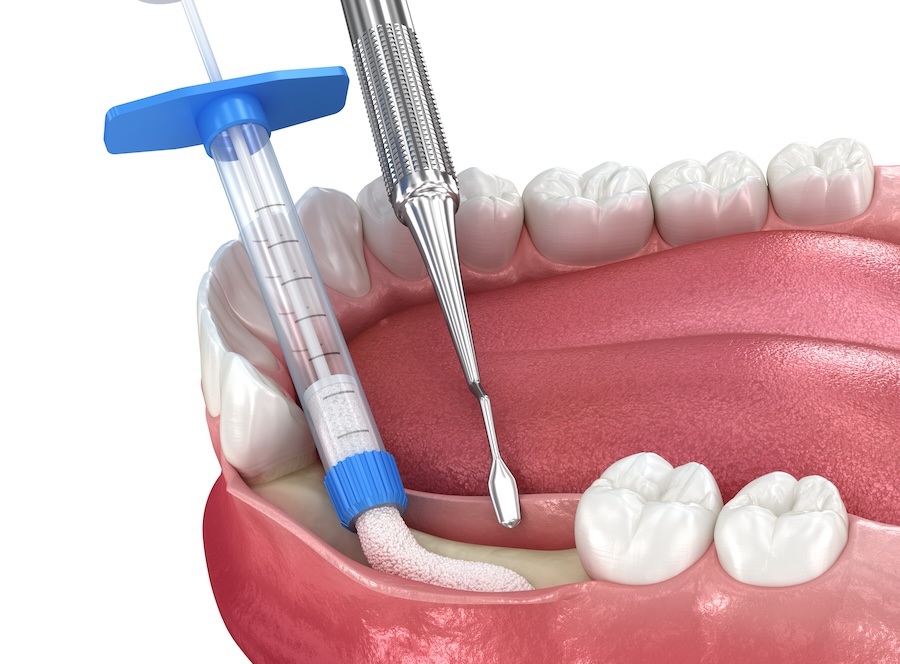
A dental bone graft helps preserve or rebuild bone in an area where we may need more support for future treatment. At Alma Dental Care in Petaluma, Dr. Maria Serrano provides bone grafting and restorative care for patients preparing for extractions, implants, and other tooth replacement options. Before we move forward, we explain why the graft is being recommended, what we want it to accomplish, and how it fits with the rest of your care.
Why Bone Grafting May Be Part of Your Treatment
Bone grafting often comes up when part of the jaw has become too thin or has lost height. After a tooth is gone, the surrounding bone no longer gets the same stimulation from the root, so that area can gradually shrink. If you are planning a dental implant, we need enough bone in the right location to support it well.
The amount of grafting can vary quite a bit from one patient to another. Sometimes we are preserving a fresh extraction socket before much change has had a chance to happen, while other times we are rebuilding an area where the tooth has been missing long enough for the ridge to become narrower. Because of that, the words “bone graft” can describe very different procedures.
A small graft placed during an extraction is different from rebuilding a larger section of the ridge before implant treatment. We will show you what the area looks like and explain what your particular site needs. From there, the rest of the treatment plan usually makes a lot more sense.
Bone Grafting After an Extraction
The socket left behind after an extraction does not stay exactly the same as it heals. Over time, the surrounding bone remodels, and the ridge can become narrower or shorter. The gums may look healed on the surface while the bone underneath is already changing.
If we know you may want an implant in that spot later, we may recommend placing grafting material at the time of the extraction. That can help preserve more of the ridge while the area heals and gives us a better starting point for future tooth replacement. It also lets us plan ahead while we are already treating the site.
Even with a socket graft, the area still needs time to heal and mature. Everyone responds a little differently, so we may take updated imaging later to see how much bone developed before the next step. Once we have that information, we can decide when the site is ready to move forward.
Bone Grafting for a Tooth That Has Been Missing for Years
A missing tooth can be easy to get used to, particularly if the space is toward the back of your mouth. You chew around it, the gums heal over, and eventually the gap may barely cross your mind. Under the gums, though, the bone can continue changing long after the area feels completely comfortable.
Over the years, that ridge may become narrower or lose height. Since you cannot tell how much bone is present just by looking at the gums, imaging becomes important when you start talking about an implant. We need to see whether there is enough bone where the implant would actually need to sit.
Some areas still have good width and height, while others have one section that is thinner than we would like. That can happen even when the space has never caused any pain or irritation. In those cases, grafting can help rebuild the area so we have a stronger foundation for the replacement tooth.
Not Every Implant Site Needs Grafting
Many patients already have enough bone to move forward with implant treatment without grafting first. The exam and imaging help us see whether the ridge has the height, width, and position we need. If the bone is already in good shape, there may be no reason to add another procedure.
How long the tooth has been missing can influence what we find. Someone replacing a recently lost tooth may have a very different amount of bone than someone who has lived with the space for ten or fifteen years. Previous infection, periodontal disease, and the shape of the ridge can also affect the area.
There are also other ways to replace a missing tooth, including bridges and dentures, and those options involve different planning. We can look at the condition of the site along with what you want from the final restoration. That helps us decide whether grafting belongs in the plan at all.
Bone Loss From Periodontal Disease
Bone loss can also happen around teeth that are still present. Periodontal disease can damage the tissues and bone supporting the roots, sometimes leaving deeper defects around one or more teeth. In those cases, the treatment plan looks different from preparing an empty space for an implant.
If gum disease is active, we need to get the inflammation under control before we can plan further restorative work. Certain defects may respond to regenerative treatment, while other areas may need a different approach depending on how much bone has been lost and where. As treatment progresses, we can explain what we are seeing around the teeth and what options are available.
Once the gums are healthier, it is easier to make decisions about what comes next. Whether we are trying to keep a natural tooth or prepare an area for future replacement, the condition of the surrounding tissue affects how we plan the rest of the care. That is why periodontal treatment and restorative planning often need to work together.
What Recovery Feels Like After a Bone Graft
After a graft, some swelling, tenderness, and soreness around the area are expected. You may also have stitches, and the site can feel a little different for the first several days. A smaller socket graft usually has an easier recovery than a larger graft used to rebuild a wider section of the ridge.
During those first few days, we will ask you to protect the area while it begins healing. That may mean chewing on the other side, keeping food away from the graft, and cleaning around the site carefully. We will also go over any activity or eating restrictions that apply to the type of graft you had.
As the swelling starts coming down, the area usually becomes easier to ignore. Even so, the bone underneath is still developing for much longer than the gums take to feel better. That healing time is what prepares the site for the next stage of treatment.
Bone Healing Takes Time
The gum tissue may look and feel healed long before the graft underneath has fully matured. The soreness fades, the stitches come out or dissolve, and before long the area may feel almost normal again. Meanwhile, the bone is still going through the slower process of rebuilding and strengthening.
If we are preparing the area for an implant, we usually need to give that bone enough time before moving forward. We may take new imaging to check how the site has healed and whether the ridge is ready for placement. Depending on the graft, that can mean waiting several months between stages.
Smoking can interfere with healing, and certain health conditions or medications can affect how bone responds too. Before treatment, make sure we have an updated medical history and medication list. If pain or swelling starts increasing after it had been improving, call us so we can check the area.
How Bone Grafting Helps Prepare for an Implant
A dental implant needs enough bone around it to stay stable. If the ridge is too narrow, too short, or uneven in the spot where the implant needs to go, there may not be enough support for placement. Grafting can rebuild that area so there is more bone where the implant actually needs to sit.
The timing depends on how much bone is missing and how the site looks when we evaluate it. In some cases, a smaller graft can be placed at the same time as the implant. If more bone needs to be rebuilt, the graft may need a few months to heal before implant placement can happen.
We also have to think ahead to the tooth that will eventually be restored on top of the implant. The implant needs to sit in a position that gives the crown enough room and allows the bite to come together comfortably. When another doctor is placing the implant, we coordinate that part of the treatment so the site is being prepared with the final restoration in mind.
That planning can save us from getting too far down the road and realizing the implant is sitting where the crown is harder to shape or support. It also helps us decide how much grafting is actually needed before placement. By the time we move into the restorative stage, we want the site to give us enough room to build a tooth that looks and functions naturally.
Bone Graft Planning in Petaluma, California
If you have been told you may need a bone graft, we can show you where the bone has changed and explain why grafting is part of the plan. We may be trying to preserve the ridge while a tooth is being removed, or we may need to rebuild an older missing-tooth site before moving ahead with an implant. Either way, you should understand what the graft is doing and what comes next.
If you are planning an extraction or thinking about replacing a missing tooth, schedule a visit with Alma Dental Care in Petaluma. Dr. Maria Serrano can go over the condition of the area, your restorative options, and whether bone grafting fits into the plan. We would be happy to help you get the next step mapped out and moving in the right direction!
Contact UsCategorised in: Bone Grafting