What Happens if a Veneer Pops Off or Chips?
July 10, 2026 9:00 amA veneer can chip or come off at a very normal, very inconvenient time. You may bite into something firm, notice a rough edge with your tongue, or look in the mirror and realize one front tooth suddenly does not match the others. Sometimes the veneer comes off in one piece. Other times, only a corner chips, leaving the tooth feeling sharp or uneven.
It can happen for a few reasons. A hard bite, grinding, chewing on pens, using teeth to open packaging, or an old bond that has weakened can all put stress on a veneer. Sometimes the tooth underneath has changed too, especially if there is decay, an old repair, or bite pressure that keeps hitting one area harder than the rest.
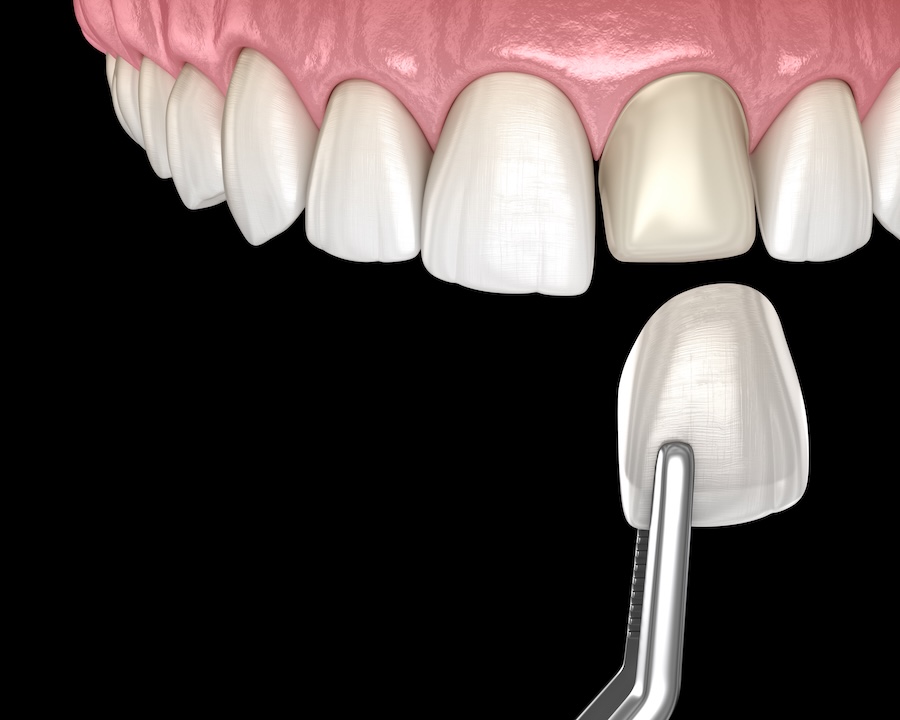
The main thing is not to try to fix it at home. Save the veneer or broken piece if you have it, avoid chewing on that tooth, and call the dental office so the tooth can be checked. A veneer that popped off may be able to be bonded back in place, but that depends on the veneer, the tooth, and why it came loose.
At Alma Dental Care in Petaluma, CA, Dr. Serrano can evaluate a chipped or loose veneer, check the tooth underneath, and explain whether the veneer can be repaired, re-bonded, or replaced.
First, Save the Veneer or Broken Piece
If the veneer came off in one piece, place it in a small container or plastic bag and bring it with you to the appointment. Even if it looks thin, fragile, or slightly damaged, it gives Dr. Serrano a better look at what happened.
Try not to wrap it in a tissue or napkin. That is how dental pieces end up in the trash, especially if the chip happened during lunch, at work, or while traveling. A small container with a lid is better.
If only a piece chipped off, save that piece if you can find it. In many cases, a tiny broken corner is hard to track down, and that is okay. The office can still evaluate the tooth and veneer surface.
Avoid testing the veneer with your fingers or tongue over and over. It is tempting, especially when the edge feels different, but repeated poking can irritate the tooth or gum. If the tooth feels sharp, dental wax from a pharmacy may help cover the edge until you are seen.
Do Not Glue the Veneer Back On
A veneer that pops off can look like something that should simply go back where it came from. Unfortunately, household glue is not the answer.
Do not use super glue, craft glue, nail glue, or any other adhesive to reattach a veneer. Those products are not made for the mouth. They can irritate the gums, damage the veneer, affect the tooth surface, and make the professional repair harder.
Even temporary dental cement from a pharmacy should be used carefully. It may be appropriate for certain dental situations, but veneers are thin and appearance-focused, especially when they are on front teeth. A bulky or uneven temporary repair can affect your bite or make the veneer sit incorrectly.
If the veneer is fully off, keep the area clean and avoid chewing on that tooth until Dr. Serrano can check it. If the exposed tooth feels sensitive, stay away from very cold, hot, sweet, sticky, or crunchy foods on that side.
Why a Veneer Might Pop Off
Veneers are bonded to the front surface of teeth, and that bond is designed to be strong. However, several things can cause a veneer to loosen or come off.
Biting into hard foods can put sudden force on the veneer. Ice, hard candy, bones, popcorn kernels, crusty bread, and very firm snacks can all create stress, especially near the edge of a front tooth. A veneer may also loosen if someone regularly bites fingernails, chews pens, or uses teeth to tear open packages.
Grinding and clenching can also play a role. If your teeth press or slide against each other at night, the veneer may take more pressure than it was designed to handle. That can weaken the bond, chip the porcelain, or create small cracks over time.
The tooth underneath also has to be considered. If decay forms around the edge of the veneer, or if the tooth structure has changed, the veneer may no longer have the same support. That is why the appointment is not only about putting the veneer back on. Dr. Serrano needs to check why it came off in the first place.
What if the Veneer Only Chips?
A chipped veneer can range from a tiny rough spot to a larger break that changes the shape of the tooth. The next step depends on the size of the chip, the location, and whether the tooth underneath is exposed.
A small chip may be polished or smoothed if the veneer is otherwise stable and the appearance still looks good. Sometimes a minor edge can be reshaped so it does not catch the tongue or lip.
A larger chip may need bonding, repair, or veneer replacement. Porcelain does not repair the same way natural enamel does, so the strength and appearance of the repair depend on where the chip is and how much material is missing.
If the chip affects the biting edge, Dr. Serrano will also want to check your bite. A veneer that chips at the edge may have taken extra force during chewing or grinding. Repairing the chip without addressing the pressure can lead to the same problem happening again.
What if the Veneer Comes Off Completely?
When a veneer comes off in one piece, it may be possible to re-bond it. That depends on the condition of the veneer and the tooth surface.
Dr. Serrano will check whether the veneer is cracked, warped, or damaged. She will also look at the tooth underneath to see whether there is decay, a fracture, old bonding material, or a change in the tooth that caused the veneer to loosen.
If the veneer and tooth are both in good shape, re-bonding may be possible. The tooth and veneer surface need to be cleaned and prepared before the veneer is placed back.
If the veneer is broken or the tooth underneath has changed, replacement may be the better option. A new veneer may be needed if the old one no longer fits closely, if the color no longer matches well, or if the structure is too weak to rely on.
Will the Tooth Be Sensitive?
Some sensitivity after a veneer pops off is common. The tooth may react to cold air, water, sweets, or brushing because the surface that was covered is now exposed.
The sensitivity may be mild, or it may feel sharp depending on how much tooth structure is exposed and whether there is any damage underneath. Try to avoid extreme temperatures and chew on the other side until the tooth can be checked.
If the tooth is very painful, throbbing, or sensitive even when you are not eating or drinking, call promptly. That may mean there is more going on than a loose veneer.
A veneer that chips without exposing much tooth structure may not cause much sensitivity at all. Even then, it should still be evaluated. A rough chip can irritate the tongue or lip, and a small crack can sometimes spread.
What Alma Dental Care Checks at the Appointment
When you come in with a loose or chipped veneer, Dr. Serrano will first look at the veneer and the tooth. He may check the fit, the bite, the gumline, and whether the tooth underneath is healthy.
If the veneer came off, bring it with you. Dr. Serrano can examine the inside surface and see whether it looks clean, cracked, or covered with old bonding material. That helps guide whether re-bonding is realistic.
The bite is also important. A veneer can look beautiful but still be under too much force if the tooth hits too hard when you chew or grind. Dr. Serrano may ask whether you clench, grind, wear a nightguard, or have noticed jaw soreness in the morning.
The final plan may be simple or more involved. A tiny chip may need smoothing. A veneer that popped off cleanly may be re-bonded. A damaged veneer may need replacement. If the tooth underneath has decay or a crack, that tooth has to be treated before a new veneer can be planned.
When a Veneer Needs to Be Replaced
A veneer may need replacement if it is cracked, broken, no longer fits the tooth, or has come loose because the tooth underneath has changed. Replacement may also be recommended if the color, shape, or edge no longer blends well with the surrounding teeth.
This can happen with older veneers. Gumlines can shift, natural teeth can change color, and dental bonding can age over time. Even if a veneer looked great for years, it may not match as well after a break or after the surrounding teeth have changed.
If one veneer needs to be replaced, Dr. Serrano will look at the full smile, not just the broken piece. Front teeth need to work together in color, shape, length, and bite. A replacement veneer should not look like a random new tile in the middle of an older floor.
Sometimes replacing one veneer is enough. Other times, especially if several veneers are older or worn, a broader plan may create a better match. That conversation depends on your goals, the condition of the teeth, and how visible the veneer is when you smile.
How to Protect Veneers From Future Damage
Once a veneer is repaired, re-bonded, or replaced, a few habits can help protect it.
Avoid using your teeth as tools. That means no opening packages, biting tags off clothing, cracking nuts, or holding hard objects between your teeth. It may feel harmless until a veneer edge chips.
Be careful with very hard foods. Ice, hard candy, popcorn kernels, and bones can damage natural teeth too, so veneers are not the only concern. Cutting firm foods into smaller pieces can help reduce direct pressure on front veneers.
If you grind or clench your teeth, ask about a nightguard. A custom nightguard can help protect veneers from repeated pressure during sleep. This is especially important if the veneer chipped near the edge or if Dr. Serrano notices wear on other teeth.
Regular dental visits also help. Dr. Serrano can check the edges of the veneers, the gums, and the bite before small issues turn into a loose veneer or larger chip.
When to Call Right Away
Call Alma Dental Care soon if a veneer comes off, a large piece chips, the tooth underneath feels sensitive, or the edge is sharp enough to cut your tongue or cheek.
You should also call promptly if there is pain, swelling, bleeding around the gumline, or if the tooth feels loose. Those signs may point to a problem with the tooth itself, not just the veneer.
A tiny chip that does not hurt may not be an emergency, but it still deserves a visit. Small chips can grow, and rough edges can irritate the mouth.
If the veneer comes off before an event, workday, or trip, call the office and explain what happened. The team can help you understand what may be possible and how quickly the tooth should be evaluated.
Veneer Repair at Alma Dental Care in Petaluma, CA
A veneer that pops off or chips can leave the tooth sensitive, uneven, or sharp. The best next step is to save any pieces, avoid chewing on that tooth, skip the household glue, and call the dental office for an evaluation.
At Alma Dental Care in Petaluma, CA, Dr. Serrano can check the veneer, the tooth underneath, and your bite to see whether the veneer can be smoothed, repaired, re-bonded, or replaced. Call Alma Dental Care to schedule a visit and get your smile back to feeling like itself again.
Contact UsCategorised in: Dental Tips, Veneers