
Deep Cleanings: Why Periodontal Therapy Is Different From a Routine Cleaning
June 12, 2026 9:00 amA deep cleaning can sound like a regular dental cleaning with extra muscle behind it, but it is used for a different reason. When a dentist recommends scaling and root planing, it usually means plaque, tartar, and bacteria have moved below the gumline and are keeping the gums inflamed. At that point, the visit is not mainly about polishing the teeth. It is about treating the areas where gum disease has started causing deeper irritation.
Because the wording can be confusing, many patients hear “deep cleaning,” “scaling and root planing,” “periodontal therapy,” or “gum treatment” and wonder whether they all mean the same thing. They are closely related. The simple version is this: a routine cleaning helps maintain healthy gums, while a deep cleaning treats periodontal pockets where bacteria and buildup are sitting under the gums.
At Alma Dental Care in Petaluma, CA, Dr. Serrano and the team help patients understand what is happening below the gumline before recommending treatment. If you have bleeding gums, deeper pockets, gum recession, bad breath, or tartar under the gums, scaling and root planing may help reduce inflammation and encourage the gum tissue to heal more closely around the teeth.
What Is a Deep Cleaning?
A deep cleaning is a periodontal treatment used when gum disease has moved below the gumline. You may also hear it called scaling and root planing or periodontal therapy. Whatever term is used, the purpose is to remove bacteria, plaque, and tartar from areas that a routine cleaning cannot fully reach.
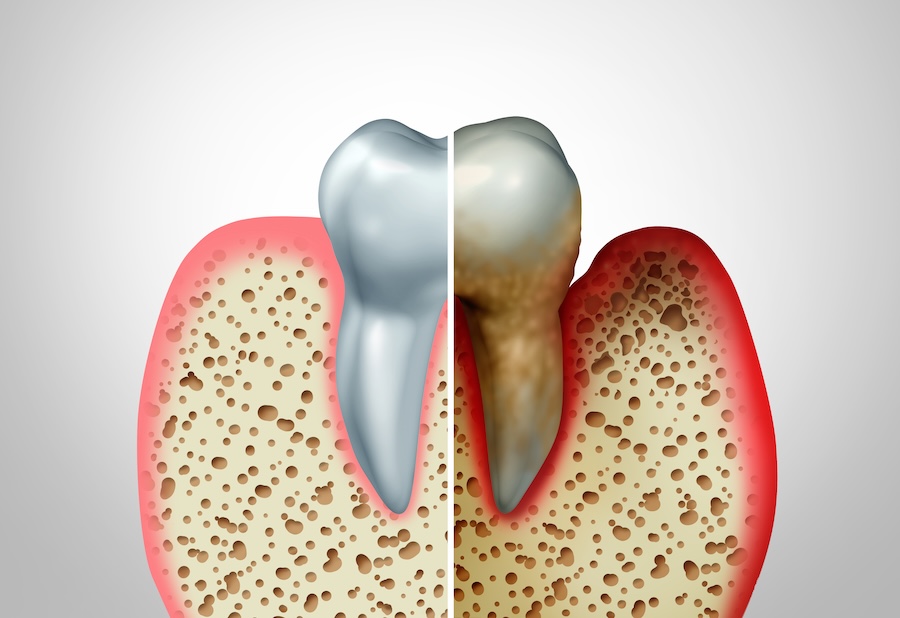
When gums are healthy, they fit fairly snugly around the teeth. As gum disease develops, the tissue can become inflamed and pull away from the tooth surface, creating deeper spaces called periodontal pockets. Those pockets can collect bacteria and tartar, which keeps the gums irritated and makes it harder for the tissue to heal on its own.
During scaling and root planing, the dental team cleans below the gumline and treats the root surfaces so the gums have a cleaner area to heal against. As the inflammation decreases, the tissue may tighten and reattach more closely around the teeth. For that reason, this treatment is often recommended when gum disease has moved beyond mild gingivitis.
How a Routine Cleaning Is Different
A routine dental cleaning is preventive care. It removes plaque, tartar, and stain from the teeth, especially around the gumline and between teeth. For patients with generally healthy gums, these cleanings help keep buildup under control and support long-term oral health.
During a routine cleaning, the hygienist cleans the areas that are accessible without treating deeper periodontal pockets. The visit may also include polishing, flossing, X-rays when needed, and a dental exam. If the gums are healthy or only mildly inflamed, this level of care may be enough.
However, once pockets have deepened and tartar is sitting farther below the gums, a routine cleaning cannot fully address the problem. Cleaning only the visible tooth surfaces would leave the deeper buildup in place, and that buildup can keep the gums bleeding, swollen, and inflamed.
That is why some patients are told they need scaling and root planing instead of a regular cleaning. It is not a “better cleaning” or an upsell version of the same visit. It is periodontal therapy used when the gums need more than routine maintenance.
Why a Routine Cleaning Is Not a Substitute
If scaling and root planing has been recommended, a routine cleaning will not reach the areas causing the problem. It can remove plaque and tartar from the visible parts of the teeth, but it cannot fully clean deeper periodontal pockets where bacteria are keeping the gums inflamed.
There is another concern. If the gums look or feel a little better after surface cleaning, it can create the impression that the problem has been handled, even though bacteria and tartar may still be sitting deeper below the gumline. In some cases, the tissue may tighten while deeper buildup remains, which can make the area harder to manage without periodontal therapy.
So, when a deep cleaning is recommended, it is because the gums need treatment below the gumline. The aim is to reduce the source of inflammation, not just clean the areas that are easiest to see.
Why Gum Disease Needs Periodontal Therapy
Gum disease often begins with plaque along the gumline. If plaque is not removed well, it can harden into tartar. Once tartar forms, brushing and flossing at home cannot remove it, even with careful effort.
In the early stage, called gingivitis, inflammation may improve with a professional cleaning and better daily care. The gums may bleed, but the deeper support around the teeth has not usually been damaged yet.
When gum disease progresses into periodontitis, the problem moves deeper. The gums can pull away from the teeth, periodontal pockets can form, and bacteria can settle below the gumline. If inflammation continues, the bone that supports the teeth may also be affected.
At this stage, the deeper areas need direct attention. Scaling and root planing removes bacteria, plaque, and tartar from below the gumline so inflammation can calm down and the gums have a better chance to heal.
Signs You May Need a Deep Cleaning
Bleeding gums are one of the most common signs that a deep cleaning may be needed. Bleeding is easy to dismiss, especially if it only happens when you floss, but healthy gums should not bleed regularly. When bleeding keeps showing up, the tissue is usually irritated.
Swollen, puffy, red, or tender gums can also point to gum disease. Some patients notice bad breath that returns soon after brushing, or a bad taste that does not seem to go away. Those symptoms can happen when bacteria are collecting below the gumline.
Gum recession may be another clue. If your teeth look longer than they used to, your roots feel sensitive, or the gumline looks uneven, gum disease may be one possible cause. Recession can also happen from brushing too hard, grinding, genetics, or other factors, so an exam is needed to sort out the reason.
During your visit at Alma Dental Care, the team can measure the spaces between your teeth and gums. Deeper pocket measurements, bleeding during the exam, tartar below the gumline, and bone changes on X-rays can all help show whether scaling and root planing is recommended.
What Periodontal Pockets Mean
Periodontal pockets are the spaces between the teeth and gums. A small space is normal, but healthy measurements are usually shallow. When gum disease develops, those spaces can deepen as the gum tissue becomes inflamed and pulls away from the tooth.
Once pockets deepen, they can trap bacteria and tartar. From there, a frustrating cycle can start. Bacteria irritate the gums, inflammation deepens the pocket, and the deeper pocket gives bacteria more room to collect. Brushing harder at home usually does not fix it, and sometimes it just makes the gums more irritated.
Pocket measurements help the dental team understand how advanced the gum problem may be. A deeper number does not tell the whole story by itself, but it becomes more meaningful when combined with bleeding, gum recession, tartar, tooth mobility, and X-rays.
When those findings point to active gum disease, scaling and root planing may be recommended. The treatment helps interrupt that cycle by removing the buildup that keeps the gums inflamed.
What Happens During Scaling and Root Planing
During scaling and root planing, the dental team cleans above and below the gumline. The focus is on removing plaque, tartar, and bacteria from the tooth and root surfaces, especially inside periodontal pockets where inflammation is active.
The treatment may be done with ultrasonic instruments, hand instruments, or both. Ultrasonic instruments use vibration and water to break up buildup, while hand instruments allow careful cleaning in specific areas. The method depends on where the buildup is located, how deep the pockets are, and how the gums respond during treatment.
Local anesthetic may be used to numb the area, especially if the gums are tender or the pockets are deeper. Many patients have the treatment done in sections, such as one side of the mouth or one or two quadrants at a time, so the visit feels more manageable and the team can clean carefully.
As the deeper buildup is removed, the root surfaces are also treated so the gum tissue has a cleaner surface to heal against. The main goal is to reduce bacteria and inflammation below the gumline, then give the tissue a better chance to tighten and reattach more closely around the teeth.
Why Scaling and Root Planing Is Different From a Routine Cleaning
A routine cleaning helps maintain gum health and remove buildup from areas that are easier to reach. It works well when the gums are healthy or when inflammation is mild and limited to the area around the gumline.
Scaling and root planing is used when gum disease has created deeper pockets. In those pockets, plaque, tartar, and bacteria can sit below the gumline and continue irritating the tissue. A routine cleaning cannot fully clear those deeper areas.
During periodontal therapy, the team spends more time cleaning below the gums and treating the root surfaces. As the irritants are removed, inflammation may decrease, bleeding may improve, and the gums may begin to heal more closely around the teeth.
The difference comes down to the condition of the gums. A regular cleaning supports gums that are already fairly healthy. Scaling and root planing treats gum tissue that is inflamed and affected by deeper bacterial buildup.
Does a Deep Cleaning Hurt?
A deep cleaning should be manageable, but the experience depends on your gums, pocket depths, buildup, and sensitivity level. If the gums are swollen or tender before treatment, the area may feel more sensitive during the visit.
Local anesthetic can be used to numb the areas being treated. Some patients only need numbing in certain sections, while others prefer more support for comfort. If dental visits make you nervous, tell the team before treatment begins so they can talk through what may help.
After the appointment, the gums may feel sore for a few days. Teeth may also feel more sensitive to cold, especially if gum recession or exposed root surfaces were present before treatment. This sensitivity often improves as inflammation decreases and the tissue begins to heal.
If discomfort gets worse instead of better, or if you notice swelling, ongoing bleeding, or pain that feels unusual, call Alma Dental Care. The team can check the area and help you understand whether the healing is on track.
Why Treatment May Be Done in Sections
Scaling and root planing may be done in one visit, but many patients have treatment divided into sections. You may hear the mouth described in quadrants, which simply means four sections: upper right, upper left, lower right, and lower left.
Breaking treatment into sections can make the visit more comfortable. If numbing is used, it may be easier to treat one side or part of the mouth at a time rather than numbing everything at once. It also gives the dental team time to focus on deeper pockets and areas with heavier buildup.
The number of appointments depends on how much periodontal treatment is needed. Some patients have only a few areas that need attention. Others need the full mouth treated because gum disease is more widespread.
Dr. Serrano and the team can explain which areas need treatment and why the appointments are being planned that way. The schedule should match what is happening in your gums, not a generic template.
What to Expect After Scaling and Root Planing
After scaling and root planing, the gums may feel tender, sore, or slightly swollen for a short time. Some bleeding during brushing or flossing can happen at first, especially if the gums were inflamed before treatment.
You may also notice that your teeth feel smoother because tartar has been removed. Temporary cold sensitivity can show up, especially near areas with recession. If this happens, a desensitizing toothpaste or another recommendation from the team may help.
The gums need time to respond after the deeper buildup is removed. As inflammation calms down, bleeding may decrease and the tissue may begin fitting more closely around the teeth. Follow-up visits help the team see how the pockets are responding.
Your instructions may include gentle brushing, careful flossing, warm salt water rinses, antimicrobial rinses, or other home care steps. Those instructions are worth following closely, especially during the first few days after treatment.
What You Can Eat After a Deep Cleaning
After a deep cleaning, softer foods are usually easier for the first day or two. Eggs, yogurt, oatmeal, soup, pasta, rice, smoothies, soft cooked vegetables, and tender proteins are often more comfortable if the gums feel sore.
Try to avoid foods that are very hot, spicy, crunchy, sharp, or acidic right after treatment. Chips, crusty bread, citrus, spicy sauces, and hard snacks can irritate tender gum tissue. If your mouth is numb, wait until the numbness wears off before eating so you do not accidentally bite your cheek, tongue, or lip.
Once the tenderness improves, you can usually return to your normal meals. If one area remains painful or chewing feels worse instead of better, call Alma Dental Care so the team can check it.
Think gentle for the first day, then let your gums guide you back to your usual routine. If a food stings, scrapes, or makes the area throb, give it more time.
Caring for Your Gums After Periodontal Therapy
After scaling and root planing, plaque can start building again quickly, so daily cleaning plays a large role in keeping the gums stable. The treatment removes deeper buildup, but your routine at home helps prevent bacteria from settling back into those areas.
Brush twice a day with a soft toothbrush and gentle pressure along the gumline. Scrubbing harder will not make the gums healthier. It can irritate the tissue and may contribute to recession, which is the opposite of what you want.
Clean between your teeth daily. Floss may feel tender at first, but it is important unless the team gives you different instructions. If string floss is difficult, floss picks, interdental brushes, or a water flosser may be easier to use consistently.
The best routine is the one you can keep doing without turning it into a nightly battle. If a tool feels awkward or uncomfortable, ask the team for another option instead of avoiding the area entirely.
Periodontal Maintenance After a Deep Cleaning
After scaling and root planing, many patients need periodontal maintenance visits instead of routine cleanings. These visits are more detailed because they help manage gum disease over time.
Periodontal maintenance usually includes cleaning above and below the gumline, checking areas that had deeper pockets, monitoring bleeding, and watching for signs that inflammation is returning. Pocket measurements may also be checked at certain visits.
Many patients need these visits more often than every six months. A three- or four-month schedule is common for people with a history of periodontal disease, though the timing depends on pocket depths, bone support, bleeding, buildup, and home care.
This follow-up helps keep gum disease from gaining ground again. Scaling and root planing can reduce inflammation and bacteria, but maintenance helps protect the progress made during the initial treatment.
Can Scaling and Root Planing Cure Gum Disease?
Scaling and root planing can help control gum disease, reduce bacteria, calm inflammation, and support healing. However, periodontal disease can return if bacteria and tartar build up again.
For many patients, the goal is stability. Bleeding may improve, swelling may decrease, and pocket depths may become easier to manage. The amount of improvement depends on how advanced the gum disease is, how the tissue responds, and how consistent maintenance is afterward.
Some cases need additional periodontal treatment. If pockets remain deep, if bone loss is advanced, or if certain areas do not respond well, Dr. Serrano may recommend another approach or refer you for specialized periodontal care.
Gum disease is usually managed over time. Scaling and root planing is an important step, but it works best when paired with good daily cleaning and regular periodontal maintenance.
What Happens If Gum Disease Is Not Treated?
Untreated gum disease can damage the tissue and bone that support the teeth. Early signs may include bleeding gums, bad breath, puffiness, tenderness, or gum recession. These symptoms may seem mild at first, but they can point to inflammation below the surface.
As gum disease progresses, pockets can deepen and bone support can decrease. Teeth may become loose, shift position, or feel different when you bite. Some patients notice spaces opening between teeth or gums pulling farther away from the tooth roots.
Advanced gum disease can also complicate other dental treatment. Crowns, bridges, implants, dentures, and cosmetic work are more predictable when the gums and supporting bone are healthier.
That is why deep cleanings are recommended when the signs point to periodontal disease. Treating the problem earlier may help protect the teeth and reduce the chance of more involved treatment later.
Deep Cleaning at Alma Dental Care in Petaluma, CA
A deep cleaning is different from a routine cleaning because it treats areas below the gumline where bacteria, plaque, and tartar can collect. Scaling and root planing helps remove the buildup that keeps gums inflamed and encourages the tissue to heal more closely around the teeth.
At Alma Dental Care in Petaluma, CA, Dr. Serrano and the team can evaluate your gums, measure periodontal pockets, and explain whether periodontal therapy is recommended. If you have bleeding gums, bad breath, gum recession, deeper pockets, or tartar below the gumline, an exam can help clarify what is happening.
If you have been told you need scaling and root planing or you are noticing signs of gum disease, schedule a visit with Alma Dental Care. The team can help you understand your gum health and the treatment options that fit your needs.
FAQs
Is a deep cleaning the same as scaling and root planing? A deep cleaning usually refers to scaling and root planing. It is a periodontal therapy that removes bacteria, plaque, and tartar from below the gumline and helps reduce gum inflammation.
How is a deep cleaning different from a regular cleaning? A regular cleaning is preventive and focuses on maintaining healthy teeth and gums. A deep cleaning treats periodontal pockets where gum disease has allowed bacteria and tartar to collect below the gumline.
Why would I need scaling and root planing? You may need scaling and root planing if you have deeper gum pockets, tartar below the gumline, bleeding gums, gum inflammation, gum recession, bad breath, or bone changes related to periodontal disease.
Does scaling and root planing hurt? Local anesthetic can be used to numb the areas being treated. Your gums may feel tender afterward, and temporary sensitivity can happen as the tissue begins healing.
Can gums reattach after scaling and root planing? As bacteria and inflammation are reduced, gum tissue may tighten and reattach more closely around the teeth. The amount of improvement depends on the severity of gum disease and how the tissue responds.
Will I need periodontal maintenance after a deep cleaning? Many patients need periodontal maintenance after scaling and root planing. These visits help monitor gum health, remove buildup, and reduce the risk of gum disease becoming active again.
Contact UsCategorised in: Gum Health, Periodontal Therapy