
What Can I Do to Protect My Teeth From Grinding?
June 19, 2026 9:00 amTeeth grinding has a sneaky way of showing up after the damage has already started. You may not hear it. You may not feel it while it is happening. Then one day your jaw feels tight in the morning, a tooth starts feeling sensitive, or your dentist points out wear marks that look a little too polished to ignore.
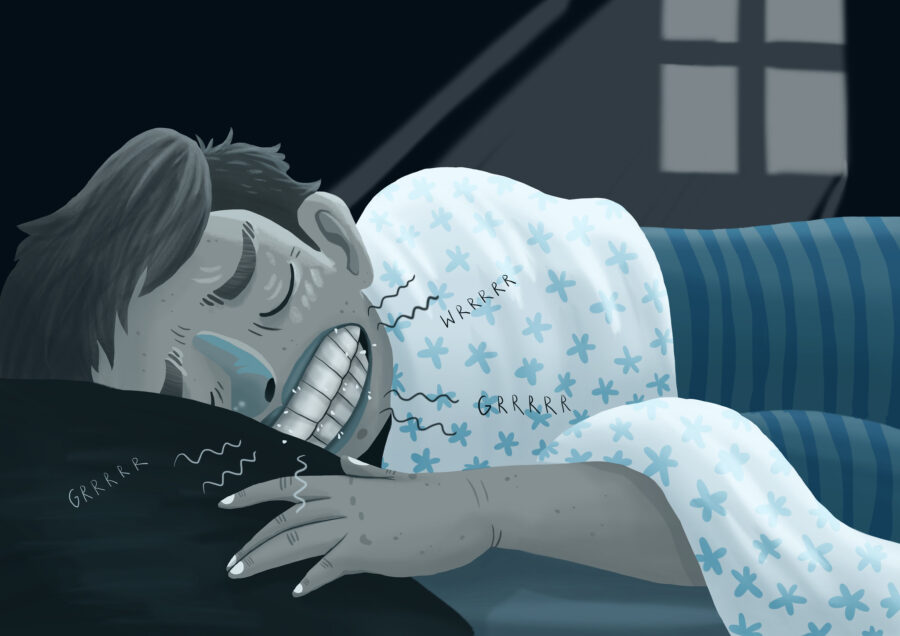
Grinding, also called bruxism, can happen during the day or while you sleep. Some people clench when they are focused, stressed, driving, exercising, or staring at a screen. Others grind at night and only find out because of jaw soreness, headaches, worn enamel, cracked teeth, or a sleeping partner who has been hearing the soundtrack.
At Alma Dental Care in Petaluma, CA, Dr. Serrano and the team help patients spot the signs of grinding and protect their teeth before small wear turns into bigger dental problems. The right plan depends on when you grind, how much damage is present, and whether your jaw, bite, sleep, stress, or dental work may be part of the picture.
What Teeth Grinding Can Do Over Time
A little clenching once in a while may not seem like much, but repeated pressure can be rough on teeth. Your teeth are built for chewing food, not for hours of tooth-on-tooth pressure with no break. Over time, grinding can wear down enamel, flatten biting edges, and make teeth look shorter or more uneven.
As enamel thins, teeth may become more sensitive to cold, sweets, or pressure. Small chips can appear along the edges. Fillings, crowns, veneers, bonding, and other dental work may also take more force than they were meant to handle. Even strong restorations can crack, loosen, or wear down when grinding keeps adding pressure night after night.
The jaw can feel it too. Grinding and clenching can strain the muscles around the jaw, temples, neck, and face. Some patients wake up with soreness or tension headaches. Others notice clicking, popping, or tiredness when chewing.
Grinding is one of those problems that is easier to manage early. Once enamel wears down, a tooth cracks, or dental work starts breaking, the fix usually gets more involved than a nightguard and a few habit changes.
Signs You May Be Grinding Your Teeth
Because grinding is not always obvious, the signs can show up in odd little ways. Many people do not know they grind until a dental exam shows flat spots, enamel wear, cracks, or changes in the bite. Sometimes the mouth tells the story before the patient ever hears a sound.
Morning jaw soreness is a common clue. You may wake up feeling like your jaw already had a workout before breakfast. Headaches near the temples, facial soreness, tooth sensitivity, and ear-area discomfort can also show up when the jaw muscles have been working too hard.
The teeth can show clues too. Biting edges may look flatter, thinner, chipped, or uneven, especially on the front teeth or the back molars that take most of the pressure. If you have crowns, fillings, or bonding, you may notice rough edges, repeated chips, or dental work that seems to need repairs more often than expected.
During an exam at Alma Dental Care, Dr. Serrano can look for signs of bruxism and check whether the wear pattern matches grinding, clenching, bite changes, or another issue. That visit helps sort out what is actually causing the symptoms, since grinding is not the only reason teeth become sensitive or jaws feel sore.
Start by Finding Out When the Grinding Happens
Once grinding is suspected, the next question is when it is happening. The best way to protect your teeth depends partly on whether you clench during the day, grind at night, or do a little of both.
Daytime clenching is often tied to habits and body tension. You may clench while working, concentrating, exercising, scrolling, commuting, or handling stress. The tricky part is that many people do it without noticing until the jaw starts aching.
Nighttime grinding is harder to control because you are asleep. You cannot simply remind yourself to relax your jaw at two in the morning. That is where a custom nightguard may help, especially if there are signs of tooth wear, cracked teeth, jaw soreness, or damaged dental work.
Some patients do both. They clench during the day and grind at night, which means the teeth are dealing with extra pressure around the clock. Once the pattern is clearer, Dr. Serrano can recommend steps that fit the way grinding is actually showing up.
Use a Custom Nightguard for Sleep Grinding
If grinding happens during sleep, a custom nightguard is one of the most common ways to protect the teeth. It does not necessarily stop the jaw muscles from trying to clench or grind, but it creates a protective barrier between the upper and lower teeth. That barrier can reduce enamel wear, chips, cracks, and stress on dental work.
Custom nightguards are made to fit your mouth. They are different from many over-the-counter guards, which may feel bulky, fit loosely, or encourage more chewing for some patients. A guard that does not fit well can be uncomfortable and may end up living in a drawer, which helps exactly no one.
Before recommending a nightguard, Dr. Serrano can evaluate your bite, teeth, jaw symptoms, and existing dental work. If a guard is appropriate, it can be designed to fit securely and distribute pressure more evenly.
Over time, the nightguard should be checked during dental visits. If your bite changes, dental work is updated, or the guard becomes worn, it may need adjustment or replacement. Bring it with you to routine appointments so the team can make sure it still fits and protects the teeth well.
Be Careful With Store-Bought Mouthguards
Store-bought mouthguards can seem like an easy answer, especially when jaw soreness starts getting old. For some people, a temporary guard may feel better than nothing. Still, fit matters more than most people expect.
Over-the-counter guards are not made for your exact bite. Some are bulky, some shift during sleep, and some create uneven pressure on certain teeth. If a guard changes how your teeth meet or makes you chew on it at night, it may add to the problem instead of helping.
There is also the issue of missed diagnosis. If you start wearing a store-bought guard without an exam, you may not know whether the symptoms are coming from grinding, a cracked tooth, gum recession, bite changes, jaw joint issues, or another dental concern.
A custom nightguard is not needed for every person who clenches now and then. But if grinding is causing wear, pain, or repeated dental damage, it is worth getting a professional opinion before guessing your way through the dental aisle.
Train Yourself to Notice Daytime Clenching
If the grinding or clenching happens while you are awake, awareness is the first tool. Daytime clenching often hides in plain sight. You may catch yourself with your teeth pressed together while answering emails, driving through Petaluma traffic, working out, cooking dinner, or trying to finish one more thing before the day runs away from you.
A simple jaw check can help. Several times a day, pause and notice where your teeth are. At rest, your lips can be closed, but your teeth should usually be slightly apart. The tongue can rest gently on the roof of the mouth, and the jaw should feel relaxed instead of locked.
Since most people clench without realizing it, reminders can help you catch the habit before your jaw starts complaining. A sticky note on your computer, a phone reminder, or a small prompt on your bathroom mirror can work. Each time you notice it, relax your jaw, drop your shoulders, and let the teeth separate.
It may seem minor, but clenching through emails, errands, traffic, and work calls can put a lot of extra pressure on the teeth by the end of the day. Giving your jaw a few breaks can help, especially if you are also grinding at night.
Reduce Jaw Tension During the Day
After you start noticing daytime clenching, look at what keeps your jaw tense. Stress may play a role, but clenching is not always about feeling emotionally stressed. Sometimes it is posture, focus, caffeine, screen time, pain, or pure habit.
Pay attention to your shoulders and head position, especially when using a computer or phone. When your head leans forward for long periods, the neck and jaw muscles can stay more active. The jaw tends to join in quietly, and by the end of the day, it may feel like it has been holding a grudge.
A few short pauses during the day can take some tension out of the jaw before it builds up. Open and close your mouth gently, move your jaw side to side without forcing it, take a few slow breaths, and let your tongue rest softly. Avoid aggressive jaw stretching or trying to “pop” the jaw into place.
It also helps to cut back on habits that keep the jaw busy. Chewing gum, biting pens, chewing ice, nail biting, and holding objects between the teeth can all keep the jaw working when it should be resting.
Protect Your Teeth During Workouts
Another time clenching can sneak in is during exercise. Heavy lifting, intense cycling, running hills, and high-focus workouts can trigger jaw tension. You may be trying to power through a set, while your molars decide they need to participate too.
If you notice jaw soreness after workouts, pay attention to your bite during exercise. Try exhaling during effort, relaxing your face between sets, and keeping your teeth slightly apart when possible. Breath-holding often pairs with clenching, so changing your breathing may help more than you expect.
For contact sports or activities with impact risk, a sports mouthguard may be recommended. A sports guard is different from a nightguard. It is designed to help protect the teeth from trauma, not manage nighttime grinding.
If you grind at night and play sports, you may need separate appliances for different situations. Bring it up during your visit so Dr. Serrano can help you understand which type of protection fits your needs.
Watch What You Chew During Flare-Ups
When your jaw feels sore or your teeth are sensitive, certain foods and habits can make things worse. Tough steak, chewy bread, bagels, jerky, hard candy, ice, and very crunchy snacks can put extra stress on teeth and jaw muscles that are already irritated.
During a flare-up, choose foods that require less chewing effort for a few days. Eggs, pasta, rice bowls, soups, smoothies, fish, yogurt, cooked vegetables, and softer proteins can be easier on the jaw. This does not have to become a permanent menu. It is just a way to stop poking the bear while the muscles calm down.
At the same time, try not to chew on one side for too long to “protect” the sore side. That can overload the other side and create a new problem. If one tooth hurts when you chew, schedule an exam instead of trying to outsmart it with creative chewing routes.
Jaw soreness from grinding can feel muscular, but sharp pain on one tooth may point to a crack, cavity, bite issue, or inflamed nerve. Pain on one specific tooth is worth checking, especially if it shows up when you bite or chew.
Limit Habits That May Make Grinding Worse
Once the teeth are protected, it also helps to look for triggers. Caffeine, alcohol, nicotine, poor sleep, dehydration, and stress can all play a role for some people. Not everyone has the same triggers, so it helps to look for patterns instead of blaming everything at once.
If you wake up with jaw soreness, think about what happened the evening before. Did you drink extra coffee late in the day? Have alcohol close to bedtime? Sleep poorly? Spend hours at a screen? Clench through a stressful deadline? Your jaw may be leaving clues, even if it refuses to write them neatly.
Reducing evening caffeine, staying hydrated, and creating a more consistent sleep routine may help some patients. If alcohol seems to make grinding worse, cutting back near bedtime may be worth trying.
These changes do not replace a nightguard when the teeth need protection. They can, however, support the bigger plan. The fewer triggers your jaw has, the less pressure your teeth may have to absorb.
Pay Attention to Sleep Quality
Since nighttime grinding happens while you sleep, sleep quality is part of the conversation. Some people grind more when sleep is restless, interrupted, or affected by breathing problems. Snoring, waking up gasping, morning headaches, dry mouth, and daytime sleepiness are signs worth mentioning.
A nightguard can protect teeth from grinding forces, but it does not treat sleep-disordered breathing. In some cases, wearing the wrong appliance without looking at the bigger picture may not be enough. That is why an exam and a good health history are important.
If Dr. Serrano notices signs that sleep or airway issues may be involved, you may be referred for further evaluation. Dental symptoms can sometimes point to problems that go beyond the teeth.
Not every person who grinds has a sleep breathing issue. Still, if grinding comes with snoring, poor sleep, or morning headaches, bring it up instead of assuming it is only stress.
Manage Stress Without Blaming Everything on Stress
Stress gets blamed for grinding a lot, and sometimes it deserves the blame. During stressful seasons, many people clench more during the day and grind more at night. The jaw often becomes the place where tension parks itself.
Even so, stress is not the only possible cause. Bite changes, medications, sleep issues, caffeine, alcohol, jaw joint problems, and habits can all play a role. Saying “it is just stress” can make patients feel like they should be able to think their way out of it, which is not always realistic.
Stress-reduction tools may help, especially for daytime clenching. Walking, stretching, breathing exercises, therapy, better sleep routines, and screen breaks can all reduce overall muscle tension. Even a few jaw relaxation checks during the day can make a difference.
Most people cannot remove every source of stress or tension, so the plan usually needs to be practical. Reduce pressure where you can, protect the teeth where you cannot, and do not wait for life to calm down before taking care of your mouth.
Do Not Ignore Tooth Sensitivity or Cracks
As grinding continues, tooth symptoms may start to show up. Sensitivity can come from worn enamel, gum recession, cracked teeth, decay, or an inflamed nerve. So even if you suspect grinding, sensitivity should still be evaluated.
Small cracks can be tricky. They may not show up clearly at first, and symptoms can come and go. You might feel a quick zing when chewing, then nothing for days. That does not always mean the problem disappeared.
If grinding has already damaged a tooth, a nightguard may protect against future wear, but the damaged tooth may still need treatment. Depending on the situation, that may mean bonding, a filling, a crown, bite adjustment, or another recommendation.
At Alma Dental Care, Dr. Serrano can examine the tooth, check the bite, review X-rays when needed, and explain whether the issue appears related to grinding or something else. Guessing from symptoms alone can send you in circles.
Protect Dental Work From Grinding Forces
Grinding does not only affect natural teeth. It can also wear down or damage fillings, crowns, veneers, bonding, bridges, and implant restorations. Dental work is strong, but repeated clenching forces can test it.
If you have invested in restorative or cosmetic dental care, protecting that work becomes even more important. A custom nightguard may help reduce the risk of chips, cracks, porcelain damage, worn edges, or repeated repairs.
This is especially worth discussing after a new crown, bridge, veneer, or implant restoration. If grinding contributed to the original problem, the new restoration may face the same pressure unless that force is managed.
Bring your nightguard to dental visits if you already have one. The team can check wear patterns on the guard and make sure it still fits after dental work. A guard that fit well years ago may not fit the same after changes in the mouth.
When to Schedule an Exam for Grinding
At some point, grinding needs more than guesswork. Schedule an exam if you wake up with jaw soreness, have frequent morning headaches, notice tooth sensitivity, see worn or chipped teeth, or have dental work that keeps breaking. These signs do not always mean grinding is the only issue, but they are worth checking.
You should also be evaluated if your jaw clicks, locks, feels tired when chewing, or hurts near the ear. Jaw joint and muscle symptoms can overlap with grinding, and the right next step depends on what is causing the strain.
During the visit, Dr. Serrano can look for wear patterns, cracks, gum recession, bite changes, muscle tenderness, and signs of stress on dental work. From there, the team can explain whether a nightguard, habit changes, bite evaluation, or another treatment may help.
Earlier evaluation can prevent smaller problems from becoming larger ones. A worn edge is easier to manage than a split tooth, and a sore jaw is easier to calm before it becomes part of your morning routine.
Protecting Teeth From Grinding in Petaluma, CA
Protecting your teeth from grinding usually starts with understanding when and how the pressure is happening. A custom nightguard may help protect teeth during sleep, while daytime jaw checks, habit changes, stress management, and better sleep routines can reduce extra strain during daily life.
At Alma Dental Care in Petaluma, CA, Dr. Serrano and the team can check for signs of grinding, evaluate your bite, and talk through ways to protect your teeth. If you have jaw soreness, headaches, worn teeth, chipped enamel, tooth sensitivity, or broken dental work, an exam can help explain what is going on.
If you think you may be grinding or clenching your teeth, schedule a visit with Alma Dental Care. The team can help you protect your teeth, reduce unnecessary strain, and choose the right next step for your mouth.
FAQs
How do I know if I grind my teeth at night? You may notice morning jaw soreness, headaches, tooth sensitivity, chipped teeth, worn edges, or tightness in the face and temples. Many patients do not know they grind until a dentist sees wear patterns during an exam.
Can a nightguard stop teeth grinding? A nightguard may not stop the jaw muscles from moving, but it can help protect the teeth from grinding forces. It creates a barrier between the upper and lower teeth to reduce wear, chips, and damage.
Is a custom nightguard better than a store-bought guard? A custom nightguard is made to fit your teeth and bite, so it is often more comfortable and stable. Store-bought guards may feel bulky, shift during sleep, or create uneven pressure for some patients.
Can stress cause teeth grinding? Stress can contribute to clenching and grinding, especially during busy or tense seasons. However, grinding can also be related to sleep quality, bite changes, habits, medications, caffeine, alcohol, or jaw issues.
What can I do during the day to stop clenching? Try checking your jaw position throughout the day. Your lips can be closed, but your teeth should usually be slightly apart. Relax your shoulders, let your jaw loosen, and avoid chewing gum, ice, pens, or fingernails.
When should I see a dentist for teeth grinding? Schedule an exam if you have jaw soreness, morning headaches, tooth sensitivity, worn teeth, chipped enamel, cracked teeth, or dental work that keeps breaking. Dr. Serrano can check for grinding damage and recommend ways to protect your teeth.
Contact UsImage from Authority Dental under CC 2.0
Categorised in: Bruxism, Nightguards, TMD (TMJ Disorders)