Why Dental Sedation Is Great for Those With Dental Anxiety
November 20, 2026 9:00 amYou may know you need dental treatment and still put off returning the scheduling call. Perhaps you worry about getting numb, gagging, or being unable to take a break once the work begins. If those concerns have kept you from coming in, we can discuss sedation and other ways to make the appointment easier to get through.
At Alma Dental Care in Petaluma, California, Dr. Maria Serrano offers nitrous oxide and oral conscious sedation for patients who may benefit from them. We’ll review your health and ask what has made previous visits difficult before choosing an approach. You can also let us know whether you prefer explanations along the way or would rather settle in with headphones and fewer details during treatment.
Sedation Can Reduce Anxiety During Treatment
Sedation can reduce tension and make you less aware of activity around the chair, depending on the medication and level used. Some patients feel calmer while staying fully able to respond, while others become drowsy and remember less of the appointment. We explain the expected effects of your specific plan before treatment day.
We also use local anesthetic to numb the area when the procedure requires it. Sedation can help you relax, while the numbing medicine controls pain in the tissues being treated. Before we start, we check that you are numb and agree on a way for you to signal if you need us to stop.
Nitrous Oxide Works Through a Nose Mask
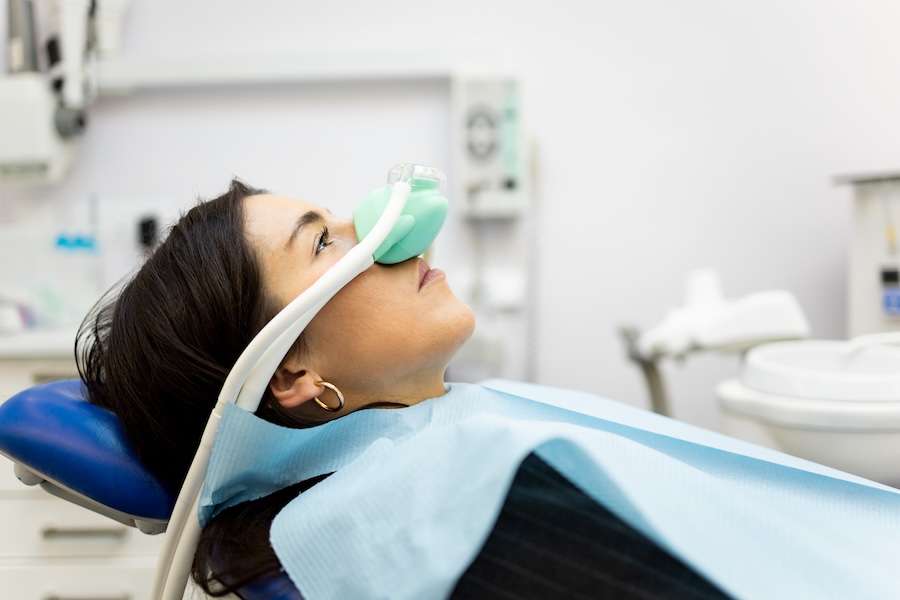
Nitrous oxide mixes with oxygen and is delivered through a small mask over your nose. You breathe normally while we adjust the delivery and monitor your response. You generally remain awake and able to hear and respond during treatment.
As the nitrous oxide takes effect, you may feel lighter, heavier, or less concerned about what is happening around you. When we stop giving it, the effects usually wear off quickly. Before you leave, we’ll check how you are feeling and go over any restrictions that apply to your visit.
Oral Conscious Sedation Can Produce More Drowsiness
If we recommend oral conscious sedation, we’ll prescribe a medicine and explain exactly when to take it. You may become drowsy and respond more slowly, although the effects vary from person to person. Some patients remember little of the visit afterward, while others remember parts of it.
Because the effects can last beyond the visit, you need a responsible adult to accompany you and drive you home. Our oral sedation instructions include avoiding driving for the following twenty-four hours. Plan ahead for work, childcare, and other responsibilities so you do not need to make those arrangements while drowsy.
Medical History and Sedation Safety
We review medical conditions, allergies, medications, supplements, and previous experiences with anesthesia or sedation. Include sleep apnea, breathing problems, pregnancy, and any history of unusual medication reactions. Alcohol, cannabis, sleep aids, and other sedating substances can interact with the medication and must be discussed before treatment.
Sometimes your health history means we need more information before choosing a sedative. We may recommend a different medication, another approach to the visit, or treatment in a setting that provides the monitoring you need. We’ll explain any risks and preparation requirements before you decide to proceed.
Explain Which Parts of the Visit Are Difficult
Dental anxiety varies from one patient to another. You may be comfortable with a cleaning and worry about injections, while someone else struggles with a sensitive gag reflex or the feeling of having limited control. A previous difficult appointment can affect what you expect even when the current treatment is different.
Before the visit, let us know which parts you worry about most. We can agree on a hand signal, plan breaks, and explain the steps before we begin if that helps you feel more comfortable. You can also ask about our headphones, movie glasses, pillows, and blankets when arranging the appointment.
Follow the Instructions for Your Specific Sedation Plan
Before treatment day, we’ll give you instructions about eating, drinking, your usual medicines, and when to arrive. Read them ahead of time so you can ask about anything that does not fit advice from your physician. If a medicine needs to be adjusted, we’ll review that with you before you make a change.
Avoid taking extra sedatives or someone else’s medication in an attempt to feel calmer before the visit. If you become ill, congested, or develop a new health concern, let our team know before treatment day. We can review whether the appointment or sedation plan needs to change.
Recovery After Sedation
After treatment, we’ll monitor your recovery before you leave and go over the instructions for home. With oral sedation, your escort needs to hear those directions too, since you may still feel drowsy or forget parts of the visit. Follow the restrictions on driving, work, childcare, and important decisions until the time specified in your instructions has passed.
If you also had an extraction or another procedure, you’ll have aftercare instructions for that treatment. We’ll explain what bleeding or soreness to expect, what to eat, and how to clean the area. Contact us about symptoms that concern you, and seek emergency medical care for trouble breathing or another severe reaction.
Sedation for Dental Anxiety in Petaluma, California
If you have been putting off care because of anxiety, you are welcome to contact us before scheduling treatment. Dr. Maria Serrano can review what you need and discuss whether sedation could help, along with changes to the way we plan your visit. Schedule with Alma Dental Care in Petaluma, California, and let us know what would help you feel more comfortable coming in!
Contact UsCategorised in: Sedation Dentistry