
How Long Local Anesthesia Lasts After a Tooth Extraction
August 28, 2026 9:00 amAfter a tooth extraction, the numbness can feel almost more distracting than the extraction itself. Your lip may feel thick, your cheek can seem oddly heavy, and taking a sip of water may suddenly require a little more attention than usual. Fortunately, that sensation usually fades within a few hours.
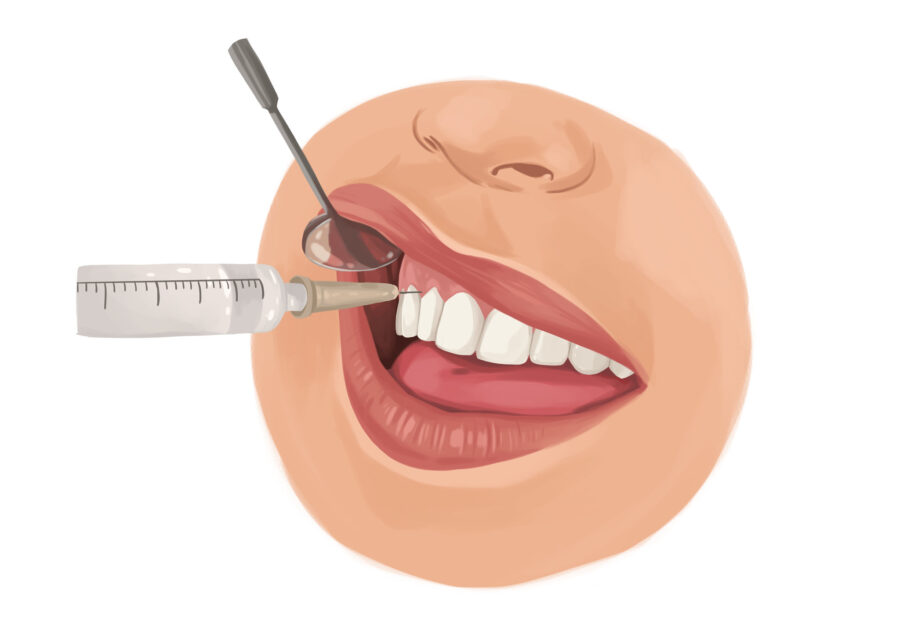
At Alma Dental Care in Petaluma, Dr. Serrano uses local anesthesia to keep the area comfortable while the tooth is removed. For many patients, the numbness lasts about two to four hours, although lower back teeth can sometimes stay numb a bit longer. The exact timing depends on the anesthetic used, where the tooth was located, and how your body responds.
As the numbness wears off, feeling usually comes back in stages. You may notice some tingling first, then a little more movement in the lip or tongue, and finally a return to normal sensation. While that is happening, it is best to take things slowly with eating and drinking so you do not accidentally bite tissue that still cannot feel much.
Most Numbness Lasts a Few Hours
For many extractions, local anesthesia keeps the surrounding tissues numb for roughly two to four hours after the injection. Sometimes the extraction itself is finished quickly, but the lip, cheek, gum, or tongue stays numb well into the afternoon. That can feel a little strange, especially once you are home and ready to get back to normal.
The timing can shift depending on where the tooth was removed. An upper tooth often leaves a smaller area numb, while a lower molar may affect the lip, chin, and part of the tongue for several hours. Lower back teeth commonly require a nerve block, so the numb feeling can spread farther than you might expect.
If you had a lower molar removed around noon, for example, it would not be unusual to still feel partly numb at three or four o’clock. Some people regain feeling sooner, while others take a little longer. What you should notice, though, is a gradual return of sensation rather than the numbness staying exactly the same.
Lower Teeth Can Stay Numb Longer
Lower molar extractions often create a wider area of numbness because the anesthetic is placed near a larger nerve. That can leave the lower lip, chin, and part of the tongue feeling heavy or unfamiliar for a few hours. Talking and drinking can feel slightly off until those areas wake back up.
By comparison, an upper tooth may leave the numbness closer to the gum and cheek around the extraction site. You might still feel puffy or thick on that side, but the tongue and lower lip usually are not involved in the same way. The experience can feel quite different even though both procedures use local anesthesia.
As sensation starts returning, you may feel warmth, tingling, or a pins-and-needles feeling. Then the numb area gradually gets smaller. That slow return is usually easier to notice if you leave the area alone instead of checking it every few minutes.
The Anesthetic Itself Can Change the Timing
Dr. Serrano can use different local anesthetics depending on the tooth and the procedure. Some wear off sooner, while others are chosen because they provide numbness for a longer stretch of time. Your health history and the length of the extraction can also factor into that choice.
With commonly used dental anesthetics, soft-tissue numbness often lasts a few hours. A nerve block for a lower tooth may linger longer than a smaller injection around an upper tooth. Even then, two people can have the same type of injection and regain feeling at different speeds.
Your body simply processes the medication in its own way. One person may feel nearly normal by lunchtime, while another still has a sleepy lip later in the afternoon. As long as the numbness is gradually easing, that variation can still fit within a normal recovery.
How the Numbness Usually Wears Off
The numb feeling usually does not disappear all at once. Instead, one area may start waking up before another, so your cheek can feel normal while your lip still feels thick. The tongue can also be the last place to fully regain sensation after some lower-tooth injections.
You may first notice tingling or a faint buzzing feeling as the nerves begin responding again. After that, movement and temperature sensation usually start feeling more normal. It can be a little awkward for a while, but the change tends to happen gradually.
Try not to keep pinching your lip or biting your cheek to test it. Numb tissue does not give you the usual warning when you are pressing too hard. Otherwise, you may end up with a sore spot that had nothing to do with the extraction itself.
Eating While You Are Numb Takes a Little Patience
If you are hungry after the appointment, waiting to eat can be the hardest part. Still, chewing with a numb cheek or tongue makes it surprisingly easy to bite yourself without realizing it. A numb mouth is not very good at protecting itself.
Once you have enough feeling back to chew safely, start with soft foods and stay on the opposite side of the extraction. Eggs, yogurt, applesauce, mashed potatoes, and other gentle foods are usually easier to manage at first. Crunchy foods, hard crusts, and anything that takes a lot of chewing can wait.
Hot foods and drinks also deserve some caution. If the lip or tongue is still numb, you may not judge temperature very well. Cool or lukewarm options are a better choice until sensation has returned.
The Numbness May Fade Before Soreness Begins
While the anesthetic is still working, the extraction area can feel surprisingly quiet. Then, as sensation returns, you may start noticing tenderness around the socket. That often happens gradually over the first few hours rather than all at once.
Before you leave Alma Dental Care, Dr. Serrano will give you instructions for managing discomfort after the extraction. Depending on your health history and the procedure, she may recommend over-the-counter pain medication or another approach. Following those directions can make the first evening much smoother.
Some soreness during the first few days is expected. However, pain that becomes severe, keeps getting worse, or comes with increasing swelling should be reported. If the recovery starts moving in the wrong direction, give us a call.
The Socket Keeps Healing After the Numbness Is Gone
Once your lip and cheek feel normal again, it can be tempting to think the extraction is basically behind you. The socket, however, is still in the early stages of healing. A blood clot is forming and protecting the area while the tissues begin to close in around it.
So, even if the numbness is gone by dinner, keep chewing away from the extraction site and follow Dr. Serrano’s aftercare instructions. Soft foods are still the better choice at first, and the area should not be poked or disturbed. The mouth may feel awake long before the socket is ready for normal chewing.
That first day is really about giving the area a quiet start. You do not need to baby it endlessly, but you also do not want to test it with chips or a crusty sandwich just because the anesthesia wore off. A little restraint early on can make the next few days easier.
Skip the Straw for a While
The straw restriction is related to the extraction site rather than the numbness itself. Drinking through a straw creates suction inside the mouth, which can disturb the blood clot protecting the socket. That clot plays an important role in the first stage of healing.
Instead, drink directly from a cup and take small sips while your lip is still numb. After a lower extraction, the first few sips may feel a little clumsy, especially if one side of the lip is still asleep. Going slowly is usually all it takes.
Keep avoiding straws for as long as Dr. Serrano recommends. Feeling back to normal does not mean the socket is ready for suction. The outside can feel fine while the deeper tissues are still healing.
Swelling Can Make the Area Feel Strange Too
After an extraction, your cheek may still feel thick or puffy even after the numbness has worn off. At that point, the sensation may be coming from swelling rather than the anesthetic. The two can feel similar during the first day.
Swelling often develops gradually and can be more noticeable later in the day. Meanwhile, the anesthetic should keep fading. If you can feel touch and temperature again but the cheek still feels full, swelling is probably contributing to that sensation.
Follow Dr. Serrano’s instructions for managing swelling after the extraction. If swelling becomes severe, spreads quickly, or comes with trouble breathing or swallowing, seek urgent care. Otherwise, some puffiness can be part of the early recovery.
What If You Are Still Numb After Four Hours?
If your lip or tongue is still partly numb after four hours, that does not automatically mean something is wrong. Lower molar extractions and nerve blocks can leave sensation altered for longer, especially when the numb area includes the lip, chin, or tongue. The more important question is whether feeling is gradually coming back.
For example, tingling, warmth, or a smaller numb area usually shows that the anesthetic is wearing off. On the other hand, an area that stays completely numb without any change for much longer than Dr. Serrano expected deserves a call. The same goes for unusual burning, persistent tingling, or altered sensation that does not seem to be improving.
If you are unsure, call Alma Dental Care and describe exactly what you are feeling. Tell us where the numbness is, whether it has changed, and how long it has been since the extraction. Dr. Serrano can then tell you whether the recovery sounds typical or whether she would like to check the area.
When to Call Alma Dental Care After an Extraction
Most patients notice the numbness fading over a few hours while the extraction site begins healing. Still, there are a few things that should prompt a call. Persistent bleeding, worsening swelling, severe pain, fever, or numbness that is not improving should all be mentioned.
You should also contact us if the pain suddenly becomes much stronger after it had started to improve. Likewise, if swelling keeps increasing instead of settling down, let us know. Recovery should generally move in a better direction over time, even if the first day is not especially comfortable.
And if you simply are not sure whether what you are feeling is normal, call anyway. It is much easier to answer a quick question than to have you spend the evening checking your lip every ten minutes and wondering if something is off. We can help you decide whether to keep monitoring the area or come in.
Tooth Extraction Recovery at Alma Dental Care in Petaluma
For many patients, local anesthesia after a tooth extraction lasts about two to four hours, although lower molar extractions can sometimes leave the lip, chin, or tongue numb for longer. The feeling usually returns gradually, with tingling and partial sensation coming before everything feels completely normal again. During that time, be careful with chewing, hot foods, and anything that could injure numb tissue.
At Alma Dental Care in Petaluma, Dr. Serrano will give you aftercare instructions based on your extraction and the anesthetic used. Keep following those directions even after the numbness is gone, because the socket continues healing well beyond those first few hours. If sensation is not returning the way you expected, let us know.
If you have an upcoming extraction or questions about numbness after your procedure, contact Alma Dental Care in Petaluma. We can explain what to expect before you leave the office and help you through the first part of recovery. If removing the tooth is part of a larger treatment plan, our restorative dentistry options can also help affordably address your damaged or missing teeth. Call us if the numbness is lasting longer than expected or you have questions after your extraction!
Contact UsImage from Authority Dental under CC 2.0
Categorised in: Oral Surgery