What Is a Deep Cleaning?
February 13, 2026 9:00 amA deep cleaning is a type of treatment used to manage gum disease. It is different from a routine cleaning, even though the names can sound similar. In dentistry, it’s often referred to as nonsurgical periodontal therapy or scaling and root planing.
This treatment is recommended when inflammation and bacterial buildup have progressed beneath the gumline. At that point, the goal is not simply to polish the teeth. The goal is to reduce the bacterial load below the gums so inflammation can decrease and the supporting tissues around the teeth can stabilize.
When Is Nonsurgical Periodontal Therapy Needed?
Healthy gums fit snugly around each tooth. When gum disease develops, inflammation causes the gums to loosen and form spaces called periodontal pockets. These pockets create an environment where bacteria collect and multiply below the surface.
Once pockets deepen beyond what routine brushing, flossing, and standard cleanings can manage, additional therapy is needed. Nonsurgical periodontal therapy targets those deeper areas to interrupt the infection process before it leads to further bone loss or tissue damage.
Importantly, gum disease doesn’t always cause pain. Many patients feel fine, even when inflammation is present. That’s why measurements taken during exams, along with dental X-rays, help determine when a deep cleaning is appropriate.
What Happens During a Deep Cleaning?
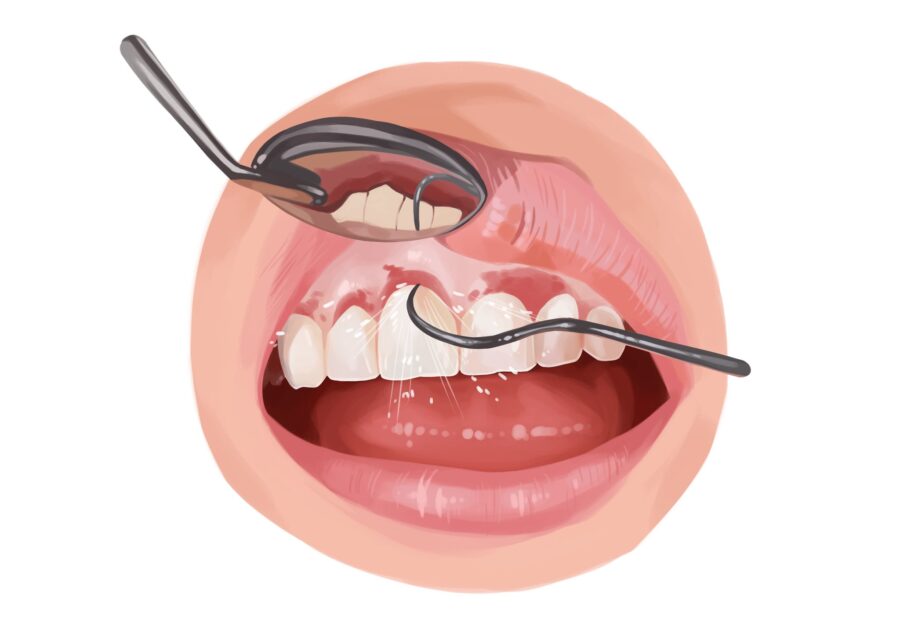
During a deep cleaning, the focus is on carefully removing bacterial buildup from beneath the gumline, especially in areas where periodontal pockets have formed. Specialized instruments are used to reach below the surface and clear out hardened tartar and infected deposits that regular cleanings can’t access.
The goal isn’t to polish the teeth for appearance. It’s to reduce the bacterial load beneath the gums so inflammation can decrease and the surrounding tissue has an opportunity to stabilize.
Because the cleaning extends below the gumline, treatment is often completed in sections of the mouth rather than all at once. Local anesthetic is commonly used to keep the area comfortable while those deeper areas are being cleaned. Most patients tolerate the procedure well and return to normal activities the same day.
What Happens After Treatment?
After a deep cleaning, it’s normal to experience mild tenderness, slight swelling, or sensitivity for a few days. The gums have just been treated beneath the surface, so some temporary soreness is expected as the tissue begins to settle and inflammation decreases.
Over-the-counter anti-inflammatory medications, such as ibuprofen (if appropriate for you), can help manage mild discomfort. Warm saltwater rinses can also be soothing and may help support healing during the first few days after treatment.
Many patients notice that their gums feel less puffy and bleed less as healing progresses. Brushing and flossing should continue as directed, even if the gums feel slightly sensitive at first. Keeping the area clean helps maintain the progress made during the procedure.
Because gum disease is a chronic condition, follow-up care is important. Periodontal maintenance visits are often scheduled at shorter intervals than routine cleanings. Bacteria in deeper pockets can begin reforming relatively quickly, and the goal is to remove it before inflammation builds again.
Is Nonsurgical Periodontal Therapy Enough?
For many patients, deep cleaning is effective at stabilizing gum disease, especially when combined with consistent home care. However, the response varies from person to person. Some patients maintain stability with maintenance visits alone. Others may need additional evaluation and treatment with a periodontist if pockets do not improve.
The key is monitoring. Periodontal measurements are reassessed after treatment to determine how the gums are responding.
Deep Cleaning and Periodontal Care at Alma Dental Care in Petaluma, CA
At Alma Dental Care, a deep cleaning is recommended based on measurable signs such as pocket depth, bleeding, and bone levels. Dr. Serrano carefully evaluates gum health and explains the purpose of treatment so patients understand why it’s needed and what to expect.
If you’ve been told you need a deep cleaning and aren’t sure what that means for your gums or your long-term health, scheduling a consultation is a good next step. Talking it through can help you feel more confident about the plan and what to expect moving forward.
Contact UsImage from Authority Dental under CC 2.0
Categorised in: Gum Health, Periodontal Therapy