Can Your Gums Grow Back After Receding?
March 13, 2026 9:00 amSometimes patients first notice gum recession when something feels a little different rather than when something looks different. Cold water may suddenly trigger a sharp sensitivity near the gumline, or a tooth may appear slightly longer in the mirror than it did a few years ago. During a dental exam, the dentist might point out that the gums have started to pull back from the tooth.
That naturally leads to a common question: can gums grow back once they recede?
Gum recession is fairly common and often develops slowly over time. While the gums do not grow back on their own once tissue has been lost, there are effective ways to stabilize the area and protect the exposed tooth surfaces.
At Alma Dental Care in Petaluma, CA, Dr. Serrano works with patients to understand why gum recession is occurring and what steps can help keep the area healthy moving forward.
What Is Gum Recession?
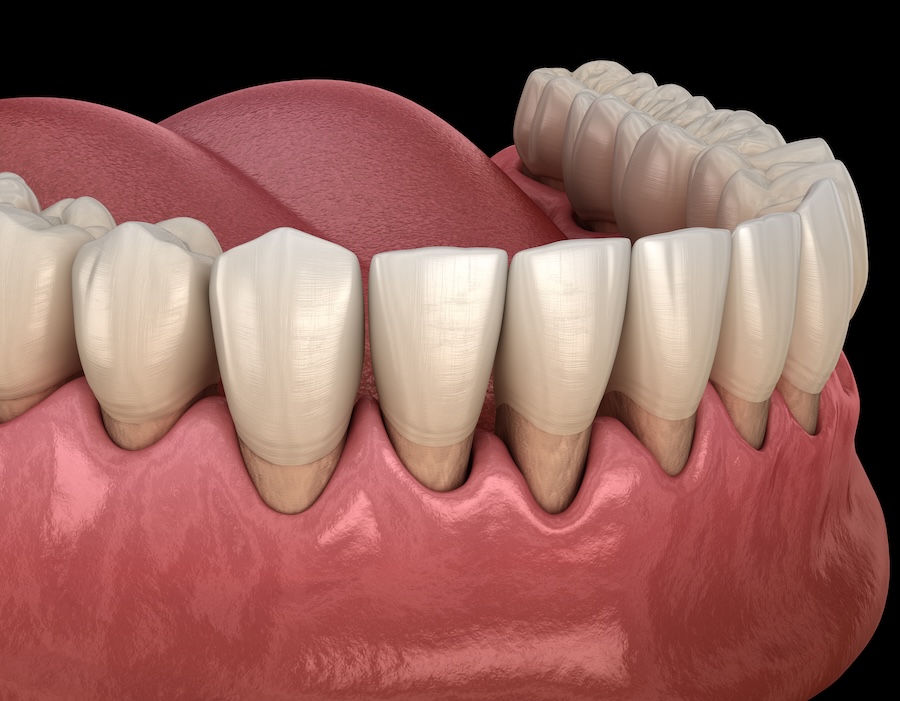
Gum recession occurs when the gum tissue surrounding a tooth gradually pulls away or wears down, exposing more of the tooth than normal. In some cases, the root surface of the tooth may also become visible.
Healthy gums normally sit snugly around each tooth, forming a protective seal along the gumline. When that gumline shifts downward, the tooth root loses some of the protection it once had.
Patients may notice:
Teeth appearing longer than before
Sensitivity when drinking something cold or brushing near the gumline
Small grooves or notches forming where the tooth meets the gum
Areas where the yellowish root surface becomes visible
Because root surfaces are not covered by enamel like the top portion of the tooth, they tend to be more sensitive and more susceptible to wear and decay.
Why Gum Recession Happens
Gum recession rarely appears suddenly. More often, it develops gradually from small stresses that affect the gums over time.
Some of the most common contributing factors include:
Gum disease, which can damage the supporting tissues around the teeth
Brushing too aggressively, especially with a firm toothbrush
Teeth grinding or clenching, which places repeated pressure on the teeth and gums
Misaligned teeth or bite forces that concentrate pressure in certain areas
Naturally thin gum tissue, which may be more prone to wearing away
Tobacco use, which can affect circulation and gum health
Often more than one factor is involved. Identifying the cause is important because preventing further recession depends on addressing the underlying issue.
Can Gums Grow Back Naturally?
Gum tissue does not grow back once it has receded. Unlike some tissues in the body, the gums do not regenerate to their original position on their own. That said, gum recession can often be stabilized so it does not continue to worsen.
In many cases, small adjustments in daily habits can make a meaningful difference. Switching to a soft-bristled toothbrush, brushing with lighter pressure, or wearing a nightguard to reduce grinding forces can help protect vulnerable areas. When the cause of the recession is addressed and the gums remain healthy, the gumline can often stay stable for many years.
Treatments That Can Help Restore Gum Coverage
When gum recession becomes more advanced or begins causing persistent sensitivity, several treatment options can help protect the exposed root surfaces.
One option is a gum graft procedure, which involves placing a small piece of tissue over the exposed root area. The graft may come from the patient’s palate or from donor tissue and is carefully positioned where the gumline has receded. As the area heals, the graft integrates with the surrounding tissue and provides additional coverage and protection for the root.
In situations where recession is relatively mild but the exposed root is sensitive, treatment may focus on protecting the root surface itself. Root surfaces are naturally softer than enamel, and when they become exposed they contain tiny microscopic channels that transmit temperature and pressure signals to the nerve of the tooth.
Dentists may apply desensitizing agents, fluoride varnish, or protective bonding materials to the area. These treatments help seal those microscopic channels and create a protective barrier over the root surface. As a result, sensitivity often improves and the tooth becomes less vulnerable to wear or root cavities.
The best treatment approach depends on the amount of recession present, the thickness of the remaining gum tissue, and whether the area appears stable or continues to change over time.
Why Early Attention Makes a Difference
Gum recession often develops slowly, which is why many patients are surprised when it is first pointed out during a dental exam. But, addressing recession early can help prevent several potential complications. Exposed root surfaces are more prone to sensitivity, root cavities, and wear caused by brushing or chewing forces.
Regular dental visits allow dentists to monitor gum levels over time and detect subtle changes that patients might not notice on their own. In many cases, small adjustments in oral hygiene habits or bite protection can make a meaningful difference in protecting the gums.
Gum Health Care at Alma Dental Care in Petaluma, CA
Gum recession is a common concern, but it does not have to continue progressing. Understanding the cause and taking steps to protect the gums can help preserve both comfort and long-term oral health.
At Alma Dental Care in Petaluma, CA, Dr. Serrano evaluates gum health during routine visits and helps patients understand the factors that may contribute to recession. Treatment recommendations focus on protecting exposed tooth surfaces, stabilizing the gums, and maintaining healthy tissue over time.
If you have noticed gum sensitivity or changes in the appearance of your gums, scheduling an exam at Alma Dental Care in Petaluma, CA can help determine what may be causing the issue and what steps may help protect your smile.
Contact UsCategorised in: Gum Health